Buy fallback.eu ?
We are moving the project
fallback.eu .
Are you interested in purchasing the domain
fallback.eu ?
domain@kv-gmbh.de · 0541-91531010
Buy fallback.eu ?
Should I study primary school teaching or secondary school teaching?
The decision between studying primary school teaching or secondary school teaching ultimately depends on your interests and strengths. Primary school teaching involves working with younger children and focusing on foundational skills, while secondary school teaching involves working with older students and delving deeper into specific subjects. Consider your preferences for age group, subject matter, and teaching style to determine which path aligns best with your goals and passion for education. Additionally, gaining experience through volunteering or internships in both settings can help you make an informed decision. **
Which teaching degree would you like to study, primary school teaching or secondary school teaching?
I would like to study primary school teaching because I have a passion for working with young children and helping them develop foundational skills. I believe that the early years are crucial for shaping a child's attitude towards learning and education. Additionally, I enjoy the idea of teaching a wide range of subjects to primary school students and being able to make a positive impact on their lives at a young age. **
Similar search terms for Teaching
Top-Angebote
Products related to Teaching:
-
JoyToys Montessori Wooden Learning Clock Time Teaching Puzzle For Kids Montessori Wooden Learning Clock Time Teaching Puzzle For KidsLearn through play with our wooden learning clock, designed to help children confidently understand time while developing essential early learning skills. This engaging Montessori clock combines handson puzzle play with interactive time practice,...29,97 $*Shipping: 0,00 $Secure redirect to the provider
-
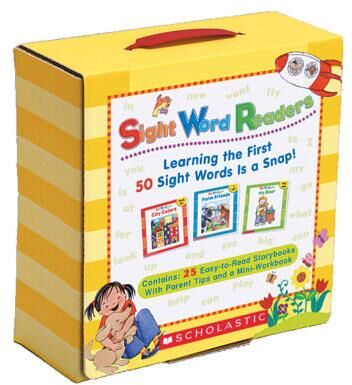
Scholastic Teaching Resources Sight Word Readers Parent PackHelp your child soar in reading with this set of 25 little books that teach 50 of the most frequently used words in print! Kids will love these playful stories they can read all by themselves. You'll love the fact that each one builds reading skills...23,99 $*Shipping: 0,00 $Secure redirect to the provider
-
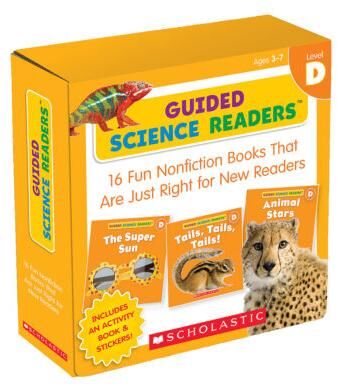
Scholastic Teaching Resources Guided Science Readers Pack DSet your child on the path to reading success with this exciting collection of little books on favorite science topics: sea turtles, ladybugs, chicks, ice cream, sea turtles, and many more. These level D books feature engaging photos paired with...23,99 $*Shipping: 0,00 $Secure redirect to the provider


-
Which teaching degree do you want to study, elementary school teaching or secondary school teaching?
I want to study elementary school teaching. I am passionate about working with young children and helping them develop a strong foundation in their education. I believe that the early years are crucial for shaping a child's attitude towards learning and I want to be a part of that process. Additionally, I am drawn to the idea of teaching a variety of subjects to young students and helping them discover their interests and talents. **
-
Is teaching in secondary school level I easier than teaching in secondary school level II?
Teaching in secondary school level I is not necessarily easier than teaching in secondary school level II. Both levels come with their own set of challenges and require different teaching approaches. Level I may involve more foundational concepts and basic skills, while level II may require more in-depth understanding and critical thinking. Additionally, level II students may have higher expectations and may be more challenging to engage. Ultimately, the difficulty of teaching at each level depends on the individual teacher's strengths, experience, and ability to connect with their students. **
-
What is the teaching internship like for teaching at a secondary school?
The teaching internship at a secondary school is a valuable opportunity for aspiring educators to gain hands-on experience in the classroom. Interns typically work closely with a mentor teacher to observe and assist with lesson planning, classroom management, and student engagement. They may also have the chance to lead small group activities, provide one-on-one support to students, and even teach a few lessons under supervision. This experience allows interns to apply their theoretical knowledge in a real-world setting and develop their teaching skills in preparation for a career in education. **
-
Would you prefer to study primary school teaching or secondary school teaching?
As an AI language model, I don't have personal preferences, but I can provide some insights. The choice between primary school teaching and secondary school teaching depends on individual interests and strengths. Primary school teaching involves working with younger children and focusing on foundational skills, while secondary school teaching involves working with older students and delving deeper into specific subjects. Some people may prefer the energy and creativity of primary school teaching, while others may enjoy the opportunity to engage with more complex subject matter in secondary school teaching. Ultimately, the decision should be based on one's passion for working with a particular age group and subject matter. **


Is there an alternative to traditional frontal teaching?
Yes, there are several alternatives to traditional frontal teaching. Some alternatives include flipped classrooms, where students learn content at home through videos or readings and then engage in activities and discussions in class; project-based learning, where students work on real-world projects to apply their knowledge; and collaborative learning, where students work together in groups to solve problems or complete tasks. These alternative teaching methods can help promote student engagement, critical thinking, and collaboration. **
What is a teaching degree for secondary education?
A teaching degree for secondary education is a program that prepares individuals to become licensed teachers in grades 7-12. This degree typically includes coursework in education theory, teaching methods, and subject-specific content knowledge. Students also complete a student teaching experience in a secondary school setting to gain practical classroom experience. Upon completion of the program and passing any required exams, graduates are eligible to apply for a teaching license in their state and begin their careers as secondary school teachers. **
Top-Angebote
Products related to Teaching:
-
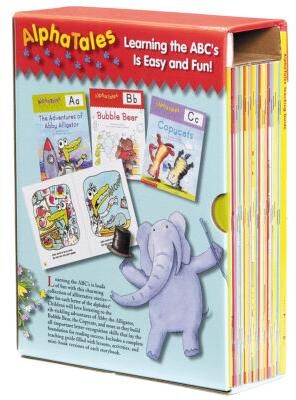
Scholastic Teaching Resources AlphaTales Box Set"A set of 26 irresistible animal storybooks that build phonemic awareness and teach each letter of the alphabet. Box set includes:- 26 full-color, 16-page 8"" x 10"" storybooks- 128-page teaching guide with lessons and mini-book versions of each..."74,99 $*Shipping: 0,00 $Secure redirect to the provider
-
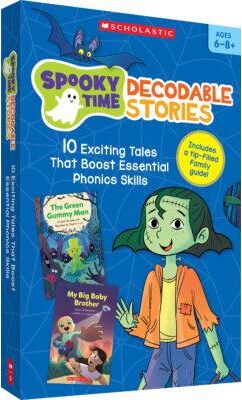
Scholastic Teaching Resources Spooky Time Decodable StoriesTime to take your child to the next level as a reader with this spooky set of humorous, highly decodable stories! Inside this box, you'll find 10 tales featuring 4-8 sentences per page and just-right text with words containing short and long vowels,...23,99 $*Shipping: 0,00 $Secure redirect to the provider
-
JoyToys Montessori Wooden Learning Clock Time Teaching Puzzle For Kids Montessori Wooden Learning Clock Time Teaching Puzzle For KidsLearn through play with our wooden learning clock, designed to help children confidently understand time while developing essential early learning skills. This engaging Montessori clock combines handson puzzle play with interactive time practice,...29,97 $*Shipping: 0,00 $Secure redirect to the provider
-
Scholastic Teaching Resources Sight Word Readers Parent PackHelp your child soar in reading with this set of 25 little books that teach 50 of the most frequently used words in print! Kids will love these playful stories they can read all by themselves. You'll love the fact that each one builds reading skills...23,99 $*Shipping: 0,00 $Secure redirect to the provider
-
Should I study primary school teaching or secondary school teaching?
The decision between studying primary school teaching or secondary school teaching ultimately depends on your interests and strengths. Primary school teaching involves working with younger children and focusing on foundational skills, while secondary school teaching involves working with older students and delving deeper into specific subjects. Consider your preferences for age group, subject matter, and teaching style to determine which path aligns best with your goals and passion for education. Additionally, gaining experience through volunteering or internships in both settings can help you make an informed decision. **
-
Which teaching degree would you like to study, primary school teaching or secondary school teaching?
I would like to study primary school teaching because I have a passion for working with young children and helping them develop foundational skills. I believe that the early years are crucial for shaping a child's attitude towards learning and education. Additionally, I enjoy the idea of teaching a wide range of subjects to primary school students and being able to make a positive impact on their lives at a young age. **
-
Which teaching degree do you want to study, elementary school teaching or secondary school teaching?
I want to study elementary school teaching. I am passionate about working with young children and helping them develop a strong foundation in their education. I believe that the early years are crucial for shaping a child's attitude towards learning and I want to be a part of that process. Additionally, I am drawn to the idea of teaching a variety of subjects to young students and helping them discover their interests and talents. **
-
Is teaching in secondary school level I easier than teaching in secondary school level II?
Teaching in secondary school level I is not necessarily easier than teaching in secondary school level II. Both levels come with their own set of challenges and require different teaching approaches. Level I may involve more foundational concepts and basic skills, while level II may require more in-depth understanding and critical thinking. Additionally, level II students may have higher expectations and may be more challenging to engage. Ultimately, the difficulty of teaching at each level depends on the individual teacher's strengths, experience, and ability to connect with their students. **
Similar search terms for Teaching
-
Scholastic Teaching Resources Guided Science Readers Pack DSet your child on the path to reading success with this exciting collection of little books on favorite science topics: sea turtles, ladybugs, chicks, ice cream, sea turtles, and many more. These level D books feature engaging photos paired with...23,99 $*Shipping: 0,00 $Secure redirect to the provider
-
Scholastic Teaching Resources Sight Word Readers Classroom Box SetJumpstart reading success with this irresistible collection of 125 little books that introduce and reinforce the first 50 must-know sight words! Each set includes a sturdy storage box stocked with 5 copies of 25 delightful tales—each presenting two...101,99 $*Shipping: 0,00 $Secure redirect to the provider
-
Scholastic Teaching Resources Non-Fiction Alphabet Readers Parent PackLearning the alphabet is fun with these easy-to-read books on kids' favorite topics from apples to zebras! Inside this sturdy little box, you'll find 26 photo-filled nonfiction titles that target and teach the shape and sound of each letter PLUS a...23,99 $*Shipping: 0,00 $Secure redirect to the provider
-
What is the teaching internship like for teaching at a secondary school?
The teaching internship at a secondary school is a valuable opportunity for aspiring educators to gain hands-on experience in the classroom. Interns typically work closely with a mentor teacher to observe and assist with lesson planning, classroom management, and student engagement. They may also have the chance to lead small group activities, provide one-on-one support to students, and even teach a few lessons under supervision. This experience allows interns to apply their theoretical knowledge in a real-world setting and develop their teaching skills in preparation for a career in education. **
-
Would you prefer to study primary school teaching or secondary school teaching?
As an AI language model, I don't have personal preferences, but I can provide some insights. The choice between primary school teaching and secondary school teaching depends on individual interests and strengths. Primary school teaching involves working with younger children and focusing on foundational skills, while secondary school teaching involves working with older students and delving deeper into specific subjects. Some people may prefer the energy and creativity of primary school teaching, while others may enjoy the opportunity to engage with more complex subject matter in secondary school teaching. Ultimately, the decision should be based on one's passion for working with a particular age group and subject matter. **
-
Is there an alternative to traditional frontal teaching?
Yes, there are several alternatives to traditional frontal teaching. Some alternatives include flipped classrooms, where students learn content at home through videos or readings and then engage in activities and discussions in class; project-based learning, where students work on real-world projects to apply their knowledge; and collaborative learning, where students work together in groups to solve problems or complete tasks. These alternative teaching methods can help promote student engagement, critical thinking, and collaboration. **
-
What is a teaching degree for secondary education?
A teaching degree for secondary education is a program that prepares individuals to become licensed teachers in grades 7-12. This degree typically includes coursework in education theory, teaching methods, and subject-specific content knowledge. Students also complete a student teaching experience in a secondary school setting to gain practical classroom experience. Upon completion of the program and passing any required exams, graduates are eligible to apply for a teaching license in their state and begin their careers as secondary school teachers. **
* All prices are inclusive of VAT and, if applicable, plus shipping costs. The offer information is based on the details provided by the respective shop and is updated through automated processes. Real-time updates do not occur, so deviations can occur in individual cases. ** Note: Parts of this content were created by AI.