Buy fallback.eu ?
We are moving the project
fallback.eu .
Are you interested in purchasing the domain
fallback.eu ?
domain@kv-gmbh.de · 0541-91531010
Buy fallback.eu ?
Are paramecia animal or plant single-celled organisms?
Paramecia are single-celled organisms that belong to the kingdom Protista. They are considered to be animal-like protists because they are heterotrophic, meaning they obtain their nutrients by ingesting other organisms. Paramecia are not considered to be plants because they do not perform photosynthesis and do not have cell walls made of cellulose. Instead, they have cilia for movement and feed on bacteria and other small organisms. **
How does nutrition and digestion occur in paramecia?
Paramecia obtain nutrition through phagocytosis, where they engulf food particles such as bacteria or algae using their cilia. Once the food particles are inside the paramecium, they are enclosed in a food vacuole. Digestive enzymes are then secreted into the food vacuole to break down the food particles into smaller molecules. These nutrients are then absorbed by the paramecium for energy and growth. Any undigested material is expelled from the cell through a process called exocytosis. **

Similar search terms for Paramecia
Top-Angebote
Products related to Paramecia:
-
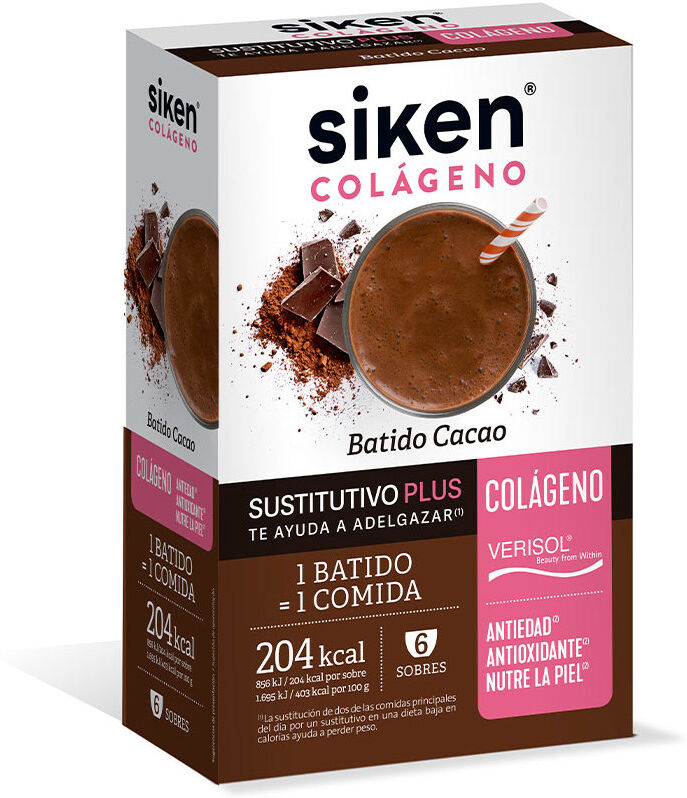
Siken Collagen Substitute Shake 6 Sachets CocoaNutrition and Supplements Special supplements Siken Collagen Substitute Shake 6 Sachets Cocoa Cocoa and Vanilla Shake is an ideal meal replacement for weight control. Its delicious flavor, along with its 13 vitamins, 15 minerals, and collagen content, make it a delicious way to take care of yourself inside and out. Available in Cocoa and Vanilla flavor.19,10 £*Shipping: 3,99 £Secure redirect to the provider
-
Siken Collagen Substitute Shake 6 Sachets VanillaNutrition and Supplements Special supplements Siken Collagen Substitute Shake 6 Sachets Vanilla Cocoa and Vanilla Shake is an ideal meal replacement for weight control. Its delicious flavor, along with its 13 vitamins, 15 minerals, and collagen content, make it a delicious way to take care of yourself inside and out. Available in Cocoa and Vanilla flavor.19,10 £*Shipping: 3,99 £Secure redirect to the provider
-
Ashampoo Backup Pro 16Ashampoo Backup Pro 16 eliminates viruses, ransomware and hardware errors! Simple and effective solution for an easy-to-use, well-designed and powerful backup.Back up entire partitions of local disks or online archiving providers, this little software from Ashampoo won't get in the way of your work and performs all the relevant operations in the background, you can of course restore memory backups and an operating system recovery tool in case of critical errors. Backup Pro 16's main support: Protection from malware infections Support on hard drive failures Restore accidentally deleted files Troubleshooting operating system problems Update management and removal of annoying updates Managing Windows 11 has never been easier with Backup Pro 16!Backup Pro 16 is optimised for all major cloud services, using all the latest standards for security and speed. What can I do with Backup Pro 16? - Suitable and optimised for Windows 11 - Pre-set convenience for backup plans - Fast and secure cloud connections - Performance and security improvements16,90 £*Shipping: 0,00 £Secure redirect to the provider



-
What does the competition look like for paramecia?
The competition for paramecia is primarily with other microorganisms in their environment, such as bacteria and other protozoa. They compete for resources such as food and living space. Paramecia use their cilia to move and feed on bacteria and other small organisms, and they also reproduce rapidly, allowing them to outcompete other microorganisms for resources. Additionally, paramecia may also face competition from predators such as other protozoa, small crustaceans, and even some types of algae. **
-
What is the ecology of paramecia and yeast cells?
Paramecia are single-celled organisms that are found in freshwater environments. They are heterotrophic, meaning they feed on bacteria and other small organisms. Paramecia play a role in the ecosystem by helping to control bacterial populations and serving as a food source for larger organisms. Yeast cells are also single-celled organisms that are found in various environments, including soil, plants, and the human body. They are important in the process of fermentation, which is used in the production of bread, beer, and wine. Yeast cells also play a role in the decomposition of organic matter and are a food source for other organisms in the ecosystem. **
-
What can be observed with a microscope in paramecia?
With a microscope, one can observe the cilia that paramecia use for movement, as well as their characteristic slipper-like shape. Additionally, the nucleus, contractile vacuoles, and food vacuoles within the paramecia can be seen under a microscope. Observing paramecia under a microscope can also reveal their feeding behavior, as they engulf food particles through a process called phagocytosis. **
-
How does the nutrition and digestion occur in paramecia?
Paramecia obtain nutrition through phagocytosis, where they engulf food particles such as bacteria, algae, and other organic matter. Once inside the cell, the food vacuole containing the engulfed particles fuses with lysosomes, where digestion occurs. Enzymes within the lysosomes break down the food particles into smaller molecules, which are then absorbed and utilized by the paramecium for energy and growth. Waste products are expelled from the cell through a specialized structure called the anal pore. **

Why do some paramecia not have a pulsating vacuole?
Some paramecia do not have a pulsating vacuole because they may live in environments with stable water conditions, such as freshwater ponds or slow-moving streams, where they do not need to actively regulate their water balance. Additionally, some species of paramecia may have evolved alternative mechanisms for maintaining water balance, such as specialized contractile vacuoles or other cellular structures. The absence of a pulsating vacuole in certain paramecia may also be a result of genetic variation and adaptation to specific ecological niches. **
Why do paramecia in the sea not have pulsating vacuoles?
Paramecia in the sea do not have pulsating vacuoles because they do not need them to regulate water balance. In a marine environment, the concentration of salt outside the cell is similar to that inside the cell, so there is no need for the paramecia to actively pump out excess water. Pulsating vacuoles are more commonly found in freshwater paramecia, where they help regulate water balance by pumping out excess water that enters the cell due to osmosis. **
Top-Angebote
Products related to Paramecia:
-
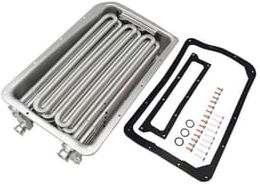
Rinnai N Series Replacement Secondary Heat ExchangerRinnai N Series Replacement Secondary Heat Exchanger. Specially designed for the Rinnai N Series model, this replacement part ensures your water heating system operates at its best. Benefits of Regular Maintenance: Enhanced Efficiency: Regular servicing can ensure that your water heater operates at peak efficiency, reducing energy bills. Longer Lifespan: Preventing buildup and replacing worn-out parts can significantly extend the life of your water heater. Safety: Ensuring that your appliance is in top condition minimizes the risk of leaks or malfunctions. Installation & Safety: Always ensure that installation and servicing are carried out by a qualified technician familiar with Rinnai products. Turn off the gas supply and disconne493,20 £*Shipping: 0,00 £Secure redirect to the provider
-
Siken Substitute Shake 325 ml VanillaNutrition and Supplements Proteins and creatine Siken Substitute Shake 325 ml Vanilla Siken Protein Substitute helps you maintain a low-calorie diet. This product is indicated as a meal replacement. Directions for use: One shake replaces one meal. Dissolve the contents of one sachet in 200–225 ml of water (depending on the desired consistency). Mix until smooth. Drink plenty of water (approximately 1.5 l/day). Follow a low-calorie diet for the rest of the day.3,35 £*Shipping: 4,99 £Secure redirect to the provider
-
Siken Collagen Substitute Shake 6 Sachets CocoaNutrition and Supplements Special supplements Siken Collagen Substitute Shake 6 Sachets Cocoa Cocoa and Vanilla Shake is an ideal meal replacement for weight control. Its delicious flavor, along with its 13 vitamins, 15 minerals, and collagen content, make it a delicious way to take care of yourself inside and out. Available in Cocoa and Vanilla flavor.19,10 £*Shipping: 3,99 £Secure redirect to the provider
-
Siken Collagen Substitute Shake 6 Sachets VanillaNutrition and Supplements Special supplements Siken Collagen Substitute Shake 6 Sachets Vanilla Cocoa and Vanilla Shake is an ideal meal replacement for weight control. Its delicious flavor, along with its 13 vitamins, 15 minerals, and collagen content, make it a delicious way to take care of yourself inside and out. Available in Cocoa and Vanilla flavor.19,10 £*Shipping: 3,99 £Secure redirect to the provider
-
Are paramecia animal or plant single-celled organisms?
Paramecia are single-celled organisms that belong to the kingdom Protista. They are considered to be animal-like protists because they are heterotrophic, meaning they obtain their nutrients by ingesting other organisms. Paramecia are not considered to be plants because they do not perform photosynthesis and do not have cell walls made of cellulose. Instead, they have cilia for movement and feed on bacteria and other small organisms. **
-
How does nutrition and digestion occur in paramecia?
Paramecia obtain nutrition through phagocytosis, where they engulf food particles such as bacteria or algae using their cilia. Once the food particles are inside the paramecium, they are enclosed in a food vacuole. Digestive enzymes are then secreted into the food vacuole to break down the food particles into smaller molecules. These nutrients are then absorbed by the paramecium for energy and growth. Any undigested material is expelled from the cell through a process called exocytosis. **
-
What does the competition look like for paramecia?
The competition for paramecia is primarily with other microorganisms in their environment, such as bacteria and other protozoa. They compete for resources such as food and living space. Paramecia use their cilia to move and feed on bacteria and other small organisms, and they also reproduce rapidly, allowing them to outcompete other microorganisms for resources. Additionally, paramecia may also face competition from predators such as other protozoa, small crustaceans, and even some types of algae. **
-
What is the ecology of paramecia and yeast cells?
Paramecia are single-celled organisms that are found in freshwater environments. They are heterotrophic, meaning they feed on bacteria and other small organisms. Paramecia play a role in the ecosystem by helping to control bacterial populations and serving as a food source for larger organisms. Yeast cells are also single-celled organisms that are found in various environments, including soil, plants, and the human body. They are important in the process of fermentation, which is used in the production of bread, beer, and wine. Yeast cells also play a role in the decomposition of organic matter and are a food source for other organisms in the ecosystem. **
Similar search terms for Paramecia
-
Ashampoo Backup Pro 16Ashampoo Backup Pro 16 eliminates viruses, ransomware and hardware errors! Simple and effective solution for an easy-to-use, well-designed and powerful backup.Back up entire partitions of local disks or online archiving providers, this little software from Ashampoo won't get in the way of your work and performs all the relevant operations in the background, you can of course restore memory backups and an operating system recovery tool in case of critical errors. Backup Pro 16's main support: Protection from malware infections Support on hard drive failures Restore accidentally deleted files Troubleshooting operating system problems Update management and removal of annoying updates Managing Windows 11 has never been easier with Backup Pro 16!Backup Pro 16 is optimised for all major cloud services, using all the latest standards for security and speed. What can I do with Backup Pro 16? - Suitable and optimised for Windows 11 - Pre-set convenience for backup plans - Fast and secure cloud connections - Performance and security improvements16,90 £*Shipping: 0,00 £Secure redirect to the provider
-
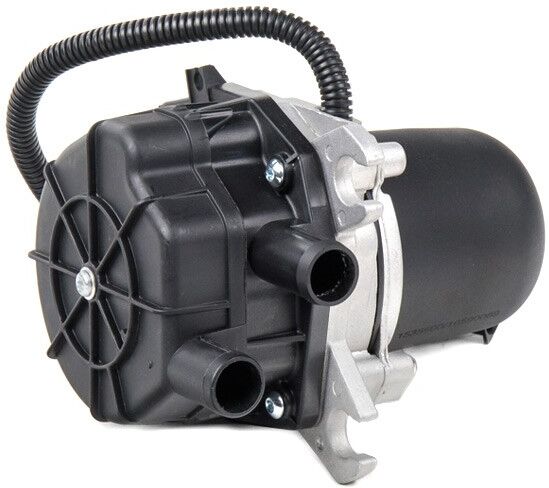
RIDEX 903S0007 Secondary Air PumpVoltage [V]: 12; Operating Mode: Electric; Packaging Depth [cm]: 20; Number of pins: 2; Connector Shape: D Shape; Engine Code: TU3JP, TU1JP; Emissions Standard: Euro 3 (D3), Euro 4 (D4), Euro 3/Euro 4; Construction Year to: 09/2000; Construction Year from: 10/200087,99 £*Shipping: 8,45 £Secure redirect to the provider
-
What can be observed with a microscope in paramecia?
With a microscope, one can observe the cilia that paramecia use for movement, as well as their characteristic slipper-like shape. Additionally, the nucleus, contractile vacuoles, and food vacuoles within the paramecia can be seen under a microscope. Observing paramecia under a microscope can also reveal their feeding behavior, as they engulf food particles through a process called phagocytosis. **
-
How does the nutrition and digestion occur in paramecia?
Paramecia obtain nutrition through phagocytosis, where they engulf food particles such as bacteria, algae, and other organic matter. Once inside the cell, the food vacuole containing the engulfed particles fuses with lysosomes, where digestion occurs. Enzymes within the lysosomes break down the food particles into smaller molecules, which are then absorbed and utilized by the paramecium for energy and growth. Waste products are expelled from the cell through a specialized structure called the anal pore. **
-
Why do some paramecia not have a pulsating vacuole?
Some paramecia do not have a pulsating vacuole because they may live in environments with stable water conditions, such as freshwater ponds or slow-moving streams, where they do not need to actively regulate their water balance. Additionally, some species of paramecia may have evolved alternative mechanisms for maintaining water balance, such as specialized contractile vacuoles or other cellular structures. The absence of a pulsating vacuole in certain paramecia may also be a result of genetic variation and adaptation to specific ecological niches. **
-
Why do paramecia in the sea not have pulsating vacuoles?
Paramecia in the sea do not have pulsating vacuoles because they do not need them to regulate water balance. In a marine environment, the concentration of salt outside the cell is similar to that inside the cell, so there is no need for the paramecia to actively pump out excess water. Pulsating vacuoles are more commonly found in freshwater paramecia, where they help regulate water balance by pumping out excess water that enters the cell due to osmosis. **
* All prices are inclusive of VAT and, if applicable, plus shipping costs. The offer information is based on the details provided by the respective shop and is updated through automated processes. Real-time updates do not occur, so deviations can occur in individual cases. ** Note: Parts of this content were created by AI.