Buy fallback.eu ?
We are moving the project
fallback.eu .
Are you interested in purchasing the domain
fallback.eu ?
domain@kv-gmbh.de · 0541-91531010
Buy fallback.eu ?
What is an alternative greeting instead of Hey or Hello?
Instead of using "Hey" or "Hello," you could use "Hi there," "Good morning/afternoon/evening," or "Greetings." These alternatives can help to add variety to your greetings and make your interactions more interesting. Additionally, using different greetings can also help to convey different levels of formality or friendliness in your communication. **
What is an environmentally friendly alternative to birthday greeting cards?
An environmentally friendly alternative to birthday greeting cards is to send electronic or digital cards. These e-cards can be personalized and sent via email or social media, reducing the need for paper and transportation. Another option is to create homemade cards using recycled materials such as old magazines, newspapers, or cardboard. This not only reduces waste but also adds a personal touch to the birthday greeting. **

Similar search terms for Greeting
Top-Angebote
Products related to Greeting:
-
Evergreen "16 in. x 28 in. Coir Halloween Greeting ""Hey Boo!"" Door Mat"Each eco-friendly coir mat is woven from 100% natural coconut fiber with fade resistant, colorfast dye. The thick fibers absorb moisture, making them extremely durable and weather resistant.29,66 $*Shipping: 0,00 $Secure redirect to the provider
-
Rinnai N Series Replacement Secondary Heat ExchangerRinnai N Series Replacement Secondary Heat Exchanger. Specially designed for the Rinnai N Series model, this replacement part ensures your water heating system operates at its best. Benefits of Regular Maintenance: Enhanced Efficiency: Regular servicing can ensure that your water heater operates at peak efficiency, reducing energy bills. Longer Lifespan: Preventing buildup and replacing worn-out parts can significantly extend the life of your water heater. Safety: Ensuring that your appliance is in top condition minimizes the risk of leaks or malfunctions. Installation & Safety: Always ensure that installation and servicing are carried out by a qualified technician familiar with Rinnai products. Turn off the gas supply and disconne493,20 £*Shipping: 0,00 £Secure redirect to the provider
-
Uplifted Finds Movable Head Bear Santa Christmas Inflatable Yard Decoration With LED Light us 180 Cm Greeting SantaBring festive joy to your home with this 6ft inflatable bear Santa featuring a movable head and bright LED lighting. Designed for outdoor holiday decorating, this cheerful blow up display instantly transforms your yard into a welcoming winter scene....201,97 $*Shipping: 0,00 $Secure redirect to the provider




-
What is the alternative to a handshake as a greeting?
The alternative to a handshake as a greeting can be a nod, a bow, or a wave. These non-contact greetings are becoming more common as people seek to minimize physical contact in light of the COVID-19 pandemic. Additionally, some cultures have their own traditional greetings such as the "namaste" in India or the "hongi" in New Zealand, which involve no physical contact. **
-
Who invented greeting?
The concept of greeting others has been a part of human interaction for centuries, dating back to ancient civilizations. There is no specific individual credited with inventing greeting, as it is a universal social custom that has evolved over time. Different cultures have developed their own unique forms of greeting, reflecting their traditions, values, and beliefs. Greeting serves as a way to acknowledge and show respect to others, fostering positive social interactions. **
-
Russian greeting or what?
The traditional Russian greeting is "Здравствуйте" (Zdravstvuyte), which means "Hello" in English. It is a formal way of greeting someone in Russian. In more informal settings, Russians may also use "Привет" (Privet), which means "Hi" or "Hello". Overall, greetings are an important part of Russian culture and are often accompanied by a handshake or a kiss on the cheek. **
-
Is greeting still contemporary?
Yes, greeting is still contemporary and important in social interactions. It is a way to show respect, acknowledge someone's presence, and create a positive atmosphere. Whether it's a simple "hello" or a more formal greeting, taking the time to acknowledge and greet others is a fundamental part of human communication and connection. In today's fast-paced world, greeting others can help to foster a sense of community and civility. **


Who invented the greeting?
The concept of greeting others has been a part of human interaction since ancient times. It is difficult to attribute the invention of the greeting to a single individual or culture, as various forms of greetings have existed across different societies throughout history. Greetings serve as a way to acknowledge and show respect to others, and they have evolved over time to reflect cultural norms and customs. **
What is the Japanese greeting?
The Japanese greeting is typically a bow, known as "ojigi." This gesture is a sign of respect and is commonly used when meeting someone for the first time or in a formal setting. In addition to bowing, it is also common to say "Konnichiwa" (hello) or "Ohayou gozaimasu" (good morning) as a verbal greeting. The depth of the bow can vary depending on the level of formality and the relationship between the individuals. **
Top-Angebote
Products related to Greeting:
-
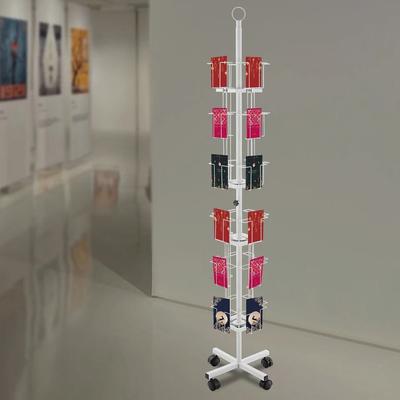
Multicon Wholesale Hub Rotating Greeting Card Display Stand Pocket Floor Rack Organizer Rotating Greeting Card Display Stand Pocket Floor Rack OrganizerCapture every customers attention with a display thats as efficient as it is impressive. This premium rotating greeting card display stand is crafted for shop owners, event hosts, and creative retailers who want a smart way to showcase cards and...254,97 $*Shipping: 0,00 $Secure redirect to the provider
-
Evergreen "16 in. x 28 in. Coir Halloween Greeting ""Hey Boo!"" Door Mat"Each eco-friendly coir mat is woven from 100% natural coconut fiber with fade resistant, colorfast dye. The thick fibers absorb moisture, making them extremely durable and weather resistant.29,66 $*Shipping: 0,00 $Secure redirect to the provider
-
Rinnai N Series Replacement Secondary Heat ExchangerRinnai N Series Replacement Secondary Heat Exchanger. Specially designed for the Rinnai N Series model, this replacement part ensures your water heating system operates at its best. Benefits of Regular Maintenance: Enhanced Efficiency: Regular servicing can ensure that your water heater operates at peak efficiency, reducing energy bills. Longer Lifespan: Preventing buildup and replacing worn-out parts can significantly extend the life of your water heater. Safety: Ensuring that your appliance is in top condition minimizes the risk of leaks or malfunctions. Installation & Safety: Always ensure that installation and servicing are carried out by a qualified technician familiar with Rinnai products. Turn off the gas supply and disconne493,20 £*Shipping: 0,00 £Secure redirect to the provider
-
What is an alternative greeting instead of Hey or Hello?
Instead of using "Hey" or "Hello," you could use "Hi there," "Good morning/afternoon/evening," or "Greetings." These alternatives can help to add variety to your greetings and make your interactions more interesting. Additionally, using different greetings can also help to convey different levels of formality or friendliness in your communication. **
-
What is an environmentally friendly alternative to birthday greeting cards?
An environmentally friendly alternative to birthday greeting cards is to send electronic or digital cards. These e-cards can be personalized and sent via email or social media, reducing the need for paper and transportation. Another option is to create homemade cards using recycled materials such as old magazines, newspapers, or cardboard. This not only reduces waste but also adds a personal touch to the birthday greeting. **
-
What is the alternative to a handshake as a greeting?
The alternative to a handshake as a greeting can be a nod, a bow, or a wave. These non-contact greetings are becoming more common as people seek to minimize physical contact in light of the COVID-19 pandemic. Additionally, some cultures have their own traditional greetings such as the "namaste" in India or the "hongi" in New Zealand, which involve no physical contact. **
-
Who invented greeting?
The concept of greeting others has been a part of human interaction for centuries, dating back to ancient civilizations. There is no specific individual credited with inventing greeting, as it is a universal social custom that has evolved over time. Different cultures have developed their own unique forms of greeting, reflecting their traditions, values, and beliefs. Greeting serves as a way to acknowledge and show respect to others, fostering positive social interactions. **
Similar search terms for Greeting
-
Uplifted Finds Movable Head Bear Santa Christmas Inflatable Yard Decoration With LED Light us 180 Cm Greeting SantaBring festive joy to your home with this 6ft inflatable bear Santa featuring a movable head and bright LED lighting. Designed for outdoor holiday decorating, this cheerful blow up display instantly transforms your yard into a welcoming winter scene....201,97 $*Shipping: 0,00 $Secure redirect to the provider
-
Evergreen "16 in. x 28 in. Coir Halloween Greeting ""I Hope You Brought Boos!"" Door Mat"Each eco-friendly coir mat is woven from 100% natural coconut fiber with fade resistant, colorfast dye. The thick fibers absorb moisture, making them extremely durable and weather resistant.27,38 $*Shipping: 0,00 $Secure redirect to the provider
-
Russian greeting or what?
The traditional Russian greeting is "Здравствуйте" (Zdravstvuyte), which means "Hello" in English. It is a formal way of greeting someone in Russian. In more informal settings, Russians may also use "Привет" (Privet), which means "Hi" or "Hello". Overall, greetings are an important part of Russian culture and are often accompanied by a handshake or a kiss on the cheek. **
-
Is greeting still contemporary?
Yes, greeting is still contemporary and important in social interactions. It is a way to show respect, acknowledge someone's presence, and create a positive atmosphere. Whether it's a simple "hello" or a more formal greeting, taking the time to acknowledge and greet others is a fundamental part of human communication and connection. In today's fast-paced world, greeting others can help to foster a sense of community and civility. **
-
Who invented the greeting?
The concept of greeting others has been a part of human interaction since ancient times. It is difficult to attribute the invention of the greeting to a single individual or culture, as various forms of greetings have existed across different societies throughout history. Greetings serve as a way to acknowledge and show respect to others, and they have evolved over time to reflect cultural norms and customs. **
-
What is the Japanese greeting?
The Japanese greeting is typically a bow, known as "ojigi." This gesture is a sign of respect and is commonly used when meeting someone for the first time or in a formal setting. In addition to bowing, it is also common to say "Konnichiwa" (hello) or "Ohayou gozaimasu" (good morning) as a verbal greeting. The depth of the bow can vary depending on the level of formality and the relationship between the individuals. **
* All prices are inclusive of VAT and, if applicable, plus shipping costs. The offer information is based on the details provided by the respective shop and is updated through automated processes. Real-time updates do not occur, so deviations can occur in individual cases. ** Note: Parts of this content were created by AI.