Buy fallback.eu ?
We are moving the project
fallback.eu .
Are you interested in purchasing the domain
fallback.eu ?
domain@kv-gmbh.de · 0541-91531010
Buy fallback.eu ?
How does fluorine react with sodium?
Fluorine reacts vigorously with sodium to form sodium fluoride. This reaction is highly exothermic and releases a significant amount of energy in the form of heat and light. The reaction is also highly explosive and should be carried out with caution. Sodium fluoride is a white solid compound that is commonly used in toothpaste and water fluoridation. **
In which xenon compounds is fluorine involved?
Fluorine is involved in the formation of xenon tetrafluoride (XeF4) and xenon hexafluoride (XeF6). These compounds are formed by the reaction of xenon with an excess of fluorine gas. Fluorine acts as the oxidizing agent in these reactions, allowing xenon to achieve a higher oxidation state than its usual zero oxidation state in elemental form. **

Similar search terms for Fluorine
Top-Angebote
Products related to Fluorine:
-
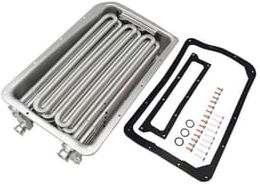
Rinnai N Series Replacement Secondary Heat ExchangerRinnai N Series Replacement Secondary Heat Exchanger. Specially designed for the Rinnai N Series model, this replacement part ensures your water heating system operates at its best. Benefits of Regular Maintenance: Enhanced Efficiency: Regular servicing can ensure that your water heater operates at peak efficiency, reducing energy bills. Longer Lifespan: Preventing buildup and replacing worn-out parts can significantly extend the life of your water heater. Safety: Ensuring that your appliance is in top condition minimizes the risk of leaks or malfunctions. Installation & Safety: Always ensure that installation and servicing are carried out by a qualified technician familiar with Rinnai products. Turn off the gas supply and disconne493,20 £*Shipping: 0,00 £Secure redirect to the provider
-
Siken Collagen Substitute Shake 6 Sachets VanillaNutrition and Supplements Special supplements Siken Collagen Substitute Shake 6 Sachets Vanilla Cocoa and Vanilla Shake is an ideal meal replacement for weight control. Its delicious flavor, along with its 13 vitamins, 15 minerals, and collagen content, make it a delicious way to take care of yourself inside and out. Available in Cocoa and Vanilla flavor.19,25 £*Shipping: 3,99 £Secure redirect to the provider
-
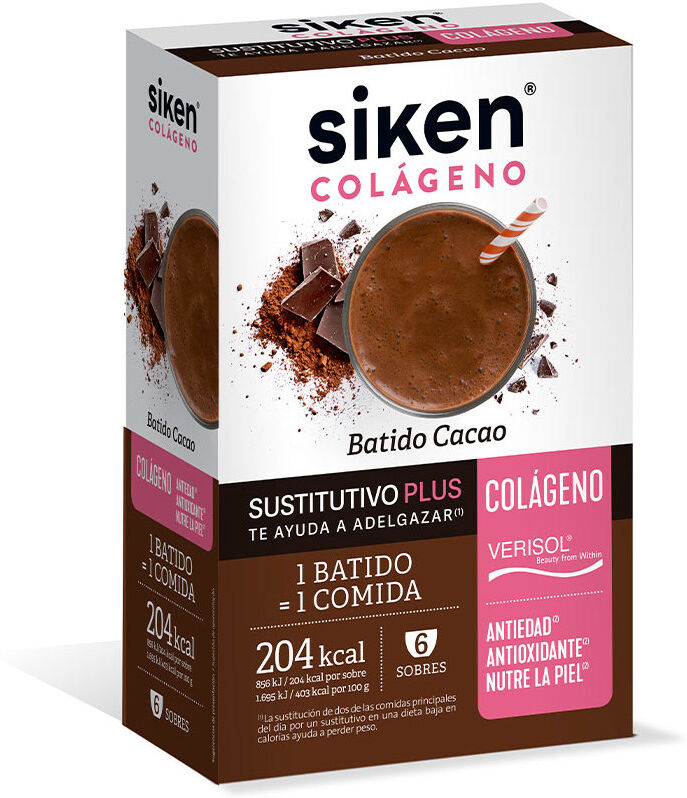
Siken Collagen Substitute Shake 6 Sachets CocoaNutrition and Supplements Special supplements Siken Collagen Substitute Shake 6 Sachets Cocoa Cocoa and Vanilla Shake is an ideal meal replacement for weight control. Its delicious flavor, along with its 13 vitamins, 15 minerals, and collagen content, make it a delicious way to take care of yourself inside and out. Available in Cocoa and Vanilla flavor.19,19 £*Shipping: 3,99 £Secure redirect to the provider
-
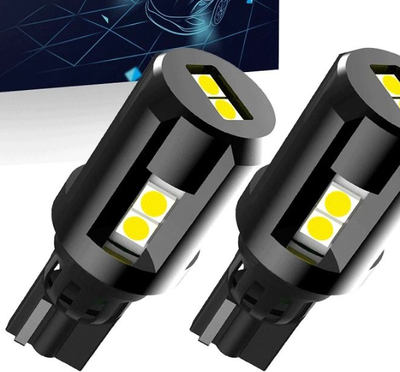
All Categories Goods LED Reverse Backup Bulb High Lumen, White For Backup Light LED Reverse Backup Bulb High Lumen, White For Backup LightEnhance Your Driving Safety with LED Reverse Backup Light Bulbs When it comes to safety and visibility while driving, especially when reversing, you dont want to take any chances. Our 2 pcs LED Reverse Backup Light Bulb provides the perfect solution...47,97 $*Shipping: 0,00 $Secure redirect to the provider

-
What is the flame color of fluorine?
The flame color of fluorine is a pale yellow-green. When fluorine gas is burned, it produces a characteristic yellow-green flame due to the excitation of electrons in the gas molecules. This color is often used as a way to identify the presence of fluorine in chemical reactions or experiments. **
-
Why does fluorine boil at 188°C?
Fluorine boils at 188°C because it has a very low boiling point compared to other elements due to its small atomic size and high electronegativity. The small size of the fluorine atom allows for strong intermolecular forces to be easily overcome, leading to its low boiling point. Additionally, the high electronegativity of fluorine results in strong dipole-dipole interactions between molecules, further contributing to its low boiling point. **
-
What is the electronegativity of fluorine and francium?
Fluorine has the highest electronegativity of all elements, with a value of 3.98 on the Pauling scale. Francium, on the other hand, has one of the lowest electronegativities, with a value of 0.7 on the Pauling scale. This means that fluorine has a strong tendency to attract electrons, while francium has a weak tendency to attract electrons. **
-
What is the profile of the atom Fluorine?
Fluorine is a chemical element with the atomic number 9 and symbol F. It belongs to the halogen group on the periodic table, making it highly reactive. Fluorine is a pale yellow gas at room temperature and is the most electronegative element, meaning it has a strong tendency to attract electrons. It is commonly found in compounds like fluoride minerals and is essential for various industrial and biological processes. **


What is the relationship between fluorine and chlorine?
Fluorine and chlorine are both halogens and are located next to each other on the periodic table. They share similar chemical properties due to their outer electron configuration, but they also have distinct differences. Fluorine is the most electronegative element, while chlorine is slightly less electronegative. Both elements can form compounds with other elements, but their reactivity and properties may vary. **
Why do nitrogen and fluorine occur as molecules?
Nitrogen and fluorine occur as molecules because they are diatomic elements, meaning they naturally exist as molecules composed of two atoms of the same element bonded together. Nitrogen forms N2 molecules, while fluorine forms F2 molecules. This occurs because both elements have high electronegativity and prefer to form strong covalent bonds with themselves rather than with other elements. As a result, they exist as stable diatomic molecules in their natural state. **
Top-Angebote
Products related to Fluorine:
-
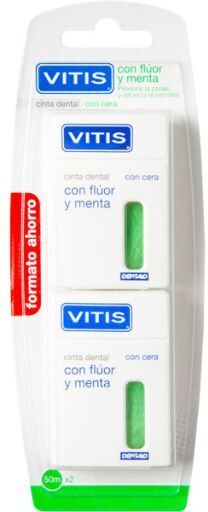
Vitis Vitis Dental Tape with Fluorine and Mint 2x50 mlHealth and Beauty Oral Care Vitis Vitis Dental Tape with Fluorine and Mint 2x50 ml Vitis Dental Tape with Fluorine and Mint eliminates oral biofilm (bacterial plaque) and prevents cavities providing a soft sensation of freshness. Vitis Dental Tape with Fluorine and Mint, of flat and thin profile, provides a large trailing surface to effectively eliminate the interdental biofilm. Its fluoride content reinforces the enamel in areas of difficult access and reduces the appearance of caries and gingivitis. Its daily use guarantees a total cleaning of the oral cavity leaving a pleasant sensation of freshness thanks to its soft Indications: -Vitis Dental Tape with Fluoride and Mint is indicated for daily oral hygiene of people who seek to maintain the feeling of cleanliness and freshness. How to use: - Hold firmly a piece of about 40-50 cm Vitis Dental Tape with Fluorine and Mint between the index and middle fingers of each hand leaving about 2-3 cm free between. -Introduce dental floss between the teeth with a gentle saw movement. -When the silk reaches the edge of the gums, bend it against one of the teeth and slide it gently into the space between the gum and the tooth until resistance is felt (never apply violently). -Repeat the operations with all the teeth using a clean piece of silk for each one.8,90 £*Shipping: 3,99 £Secure redirect to the provider
-
Aria Home Fluorine Frosted Tulip Glass Vase Set of 2 Table DécorThis Fluorine frosted tulip glass vase set features artistic swirl patterns and elegant tulip shaped silhouettes. Crafted from colored glass with a soft frosted finish these decorative vases add charm and visual interest to any interior space.41,99 $*Shipping: 0,00 $Secure redirect to the provider
-
Rinnai N Series Replacement Secondary Heat ExchangerRinnai N Series Replacement Secondary Heat Exchanger. Specially designed for the Rinnai N Series model, this replacement part ensures your water heating system operates at its best. Benefits of Regular Maintenance: Enhanced Efficiency: Regular servicing can ensure that your water heater operates at peak efficiency, reducing energy bills. Longer Lifespan: Preventing buildup and replacing worn-out parts can significantly extend the life of your water heater. Safety: Ensuring that your appliance is in top condition minimizes the risk of leaks or malfunctions. Installation & Safety: Always ensure that installation and servicing are carried out by a qualified technician familiar with Rinnai products. Turn off the gas supply and disconne493,20 £*Shipping: 0,00 £Secure redirect to the provider
-
Siken Collagen Substitute Shake 6 Sachets VanillaNutrition and Supplements Special supplements Siken Collagen Substitute Shake 6 Sachets Vanilla Cocoa and Vanilla Shake is an ideal meal replacement for weight control. Its delicious flavor, along with its 13 vitamins, 15 minerals, and collagen content, make it a delicious way to take care of yourself inside and out. Available in Cocoa and Vanilla flavor.19,25 £*Shipping: 3,99 £Secure redirect to the provider
-
How does fluorine react with sodium?
Fluorine reacts vigorously with sodium to form sodium fluoride. This reaction is highly exothermic and releases a significant amount of energy in the form of heat and light. The reaction is also highly explosive and should be carried out with caution. Sodium fluoride is a white solid compound that is commonly used in toothpaste and water fluoridation. **
-
In which xenon compounds is fluorine involved?
Fluorine is involved in the formation of xenon tetrafluoride (XeF4) and xenon hexafluoride (XeF6). These compounds are formed by the reaction of xenon with an excess of fluorine gas. Fluorine acts as the oxidizing agent in these reactions, allowing xenon to achieve a higher oxidation state than its usual zero oxidation state in elemental form. **
-
What is the flame color of fluorine?
The flame color of fluorine is a pale yellow-green. When fluorine gas is burned, it produces a characteristic yellow-green flame due to the excitation of electrons in the gas molecules. This color is often used as a way to identify the presence of fluorine in chemical reactions or experiments. **
-
Why does fluorine boil at 188°C?
Fluorine boils at 188°C because it has a very low boiling point compared to other elements due to its small atomic size and high electronegativity. The small size of the fluorine atom allows for strong intermolecular forces to be easily overcome, leading to its low boiling point. Additionally, the high electronegativity of fluorine results in strong dipole-dipole interactions between molecules, further contributing to its low boiling point. **
Similar search terms for Fluorine
-
Siken Collagen Substitute Shake 6 Sachets CocoaNutrition and Supplements Special supplements Siken Collagen Substitute Shake 6 Sachets Cocoa Cocoa and Vanilla Shake is an ideal meal replacement for weight control. Its delicious flavor, along with its 13 vitamins, 15 minerals, and collagen content, make it a delicious way to take care of yourself inside and out. Available in Cocoa and Vanilla flavor.19,19 £*Shipping: 3,99 £Secure redirect to the provider
-
All Categories Goods LED Reverse Backup Bulb High Lumen, White For Backup Light LED Reverse Backup Bulb High Lumen, White For Backup LightEnhance Your Driving Safety with LED Reverse Backup Light Bulbs When it comes to safety and visibility while driving, especially when reversing, you dont want to take any chances. Our 2 pcs LED Reverse Backup Light Bulb provides the perfect solution...47,97 $*Shipping: 0,00 $Secure redirect to the provider
-
Aria Home Fluorine Frosted Tulip Glass Vase Set of 2 Table DécorThis Fluorine frosted tulip glass vase set features artistic swirl patterns and elegant tulip shaped silhouettes. Crafted from colored glass with a soft frosted finish these decorative vases add charm and visual interest to any interior space.41,99 $*Shipping: 0,00 $Secure redirect to the provider
-
What is the electronegativity of fluorine and francium?
Fluorine has the highest electronegativity of all elements, with a value of 3.98 on the Pauling scale. Francium, on the other hand, has one of the lowest electronegativities, with a value of 0.7 on the Pauling scale. This means that fluorine has a strong tendency to attract electrons, while francium has a weak tendency to attract electrons. **
-
What is the profile of the atom Fluorine?
Fluorine is a chemical element with the atomic number 9 and symbol F. It belongs to the halogen group on the periodic table, making it highly reactive. Fluorine is a pale yellow gas at room temperature and is the most electronegative element, meaning it has a strong tendency to attract electrons. It is commonly found in compounds like fluoride minerals and is essential for various industrial and biological processes. **
-
What is the relationship between fluorine and chlorine?
Fluorine and chlorine are both halogens and are located next to each other on the periodic table. They share similar chemical properties due to their outer electron configuration, but they also have distinct differences. Fluorine is the most electronegative element, while chlorine is slightly less electronegative. Both elements can form compounds with other elements, but their reactivity and properties may vary. **
-
Why do nitrogen and fluorine occur as molecules?
Nitrogen and fluorine occur as molecules because they are diatomic elements, meaning they naturally exist as molecules composed of two atoms of the same element bonded together. Nitrogen forms N2 molecules, while fluorine forms F2 molecules. This occurs because both elements have high electronegativity and prefer to form strong covalent bonds with themselves rather than with other elements. As a result, they exist as stable diatomic molecules in their natural state. **
* All prices are inclusive of VAT and, if applicable, plus shipping costs. The offer information is based on the details provided by the respective shop and is updated through automated processes. Real-time updates do not occur, so deviations can occur in individual cases. ** Note: Parts of this content were created by AI.