Buy fallback.eu ?
We are moving the project
fallback.eu .
Are you interested in purchasing the domain
fallback.eu ?
domain@kv-gmbh.de · 0541-91531010
Buy fallback.eu ?
Can you buy replacement screws for electrical outlets?
Yes, you can buy replacement screws for electrical outlets. These screws are typically standard sizes and can be found at most hardware stores or home improvement centers. It's important to make sure you purchase the correct size and type of screw for your specific outlet to ensure a proper fit and secure installation. If you're unsure, you can always bring the old screw with you to the store to find a matching replacement. **
What is a backup power source in electrical engineering?
A backup power source in electrical engineering is a secondary power supply that is used to provide electricity in case the primary power source fails. This ensures that critical systems and equipment can continue to operate during power outages or emergencies. Backup power sources can include batteries, generators, or uninterruptible power supplies (UPS) to maintain power and prevent disruptions in electrical systems. **

Similar search terms for Electrical
Top-Angebote
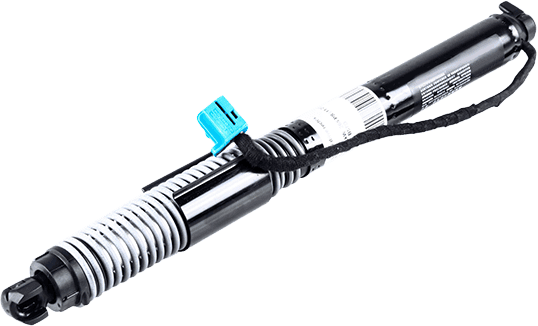
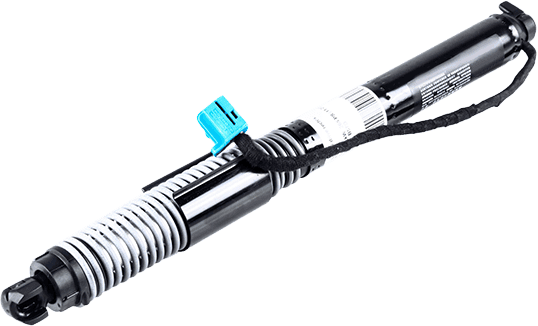
Products related to Electrical:


-
Can a backup generator be connected to the household electrical system?
Yes, a backup generator can be connected to a household electrical system. This is typically done through a transfer switch, which allows the generator to safely provide power to the home without backfeeding into the grid. It is important to have a licensed electrician install the transfer switch to ensure proper and safe operation of the backup generator. **
-
Can a backup generator be connected to the household electrical grid?
Yes, a backup generator can be connected to the household electrical grid through a transfer switch. The transfer switch allows the generator to safely and effectively provide power to the home's electrical system during a power outage. It also prevents the generator from backfeeding into the grid, which could be dangerous for utility workers. It's important to have a licensed electrician install the transfer switch and connect the generator to the household electrical grid to ensure it is done properly and safely. **
-
What are the differences between electrical energy, electrical charge, and electrical voltage?
Electrical energy is the ability to do work through the movement of electric charges. It is measured in joules and is the result of the movement of electrical charges through a conductor. Electrical charge is a fundamental property of matter, and it can be positive or negative. It is measured in coulombs and is the source of electrical energy. Electrical voltage, on the other hand, is the potential difference between two points in an electrical circuit. It is measured in volts and is the driving force that pushes electrical charges through a circuit. **
-
A replacement for winding wire in electrical coils is being sought.
One potential replacement for winding wire in electrical coils is the use of printed circuit boards (PCBs) with conductive traces. These PCB coils can be designed to be more compact and efficient than traditional wire coils, and they can also be integrated directly into the circuit board, saving space and reducing assembly time. Another potential replacement is the use of conductive ink or paint, which can be applied directly onto a substrate to create the coil. This method allows for more flexibility in coil design and can also reduce the overall size and weight of the coil. Overall, these alternatives offer potential benefits in terms of size, weight, and manufacturing efficiency compared to traditional winding wire coils. **

What is the task of the substitute voltage source in electrical engineering?
The task of the substitute voltage source in electrical engineering is to simplify complex circuits for analysis. By replacing parts of a circuit with an equivalent voltage source, engineers can more easily calculate the behavior of the circuit. This simplification allows for easier troubleshooting, analysis, and design of electrical systems. **
What are electrical quantities in an electrical circuit?
Electrical quantities in an electrical circuit are the measurable properties that describe the behavior of electricity flowing through the circuit. These quantities include voltage, current, resistance, and power. Voltage is the electrical potential difference between two points in the circuit, while current is the flow of electric charge through the circuit. Resistance is the opposition to the flow of current, and power is the rate at which electrical energy is transferred in the circuit. Understanding and measuring these electrical quantities is essential for analyzing and designing electrical circuits. **
Top-Angebote
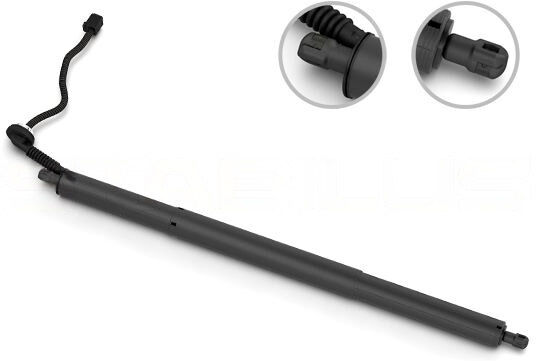
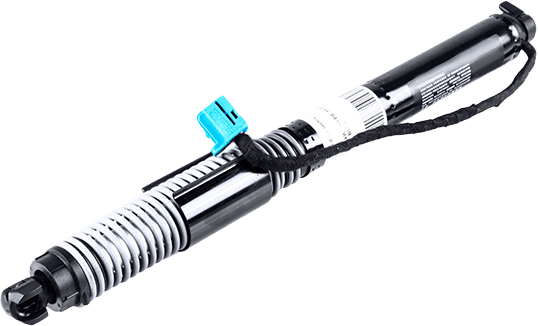
Products related to Electrical:
-
Can you buy replacement screws for electrical outlets?
Yes, you can buy replacement screws for electrical outlets. These screws are typically standard sizes and can be found at most hardware stores or home improvement centers. It's important to make sure you purchase the correct size and type of screw for your specific outlet to ensure a proper fit and secure installation. If you're unsure, you can always bring the old screw with you to the store to find a matching replacement. **
-
What is a backup power source in electrical engineering?
A backup power source in electrical engineering is a secondary power supply that is used to provide electricity in case the primary power source fails. This ensures that critical systems and equipment can continue to operate during power outages or emergencies. Backup power sources can include batteries, generators, or uninterruptible power supplies (UPS) to maintain power and prevent disruptions in electrical systems. **
-
Can a backup generator be connected to the household electrical system?
Yes, a backup generator can be connected to a household electrical system. This is typically done through a transfer switch, which allows the generator to safely provide power to the home without backfeeding into the grid. It is important to have a licensed electrician install the transfer switch to ensure proper and safe operation of the backup generator. **
-
Can a backup generator be connected to the household electrical grid?
Yes, a backup generator can be connected to the household electrical grid through a transfer switch. The transfer switch allows the generator to safely and effectively provide power to the home's electrical system during a power outage. It also prevents the generator from backfeeding into the grid, which could be dangerous for utility workers. It's important to have a licensed electrician install the transfer switch and connect the generator to the household electrical grid to ensure it is done properly and safely. **
Similar search terms for Electrical
-
What are the differences between electrical energy, electrical charge, and electrical voltage?
Electrical energy is the ability to do work through the movement of electric charges. It is measured in joules and is the result of the movement of electrical charges through a conductor. Electrical charge is a fundamental property of matter, and it can be positive or negative. It is measured in coulombs and is the source of electrical energy. Electrical voltage, on the other hand, is the potential difference between two points in an electrical circuit. It is measured in volts and is the driving force that pushes electrical charges through a circuit. **
-
A replacement for winding wire in electrical coils is being sought.
One potential replacement for winding wire in electrical coils is the use of printed circuit boards (PCBs) with conductive traces. These PCB coils can be designed to be more compact and efficient than traditional wire coils, and they can also be integrated directly into the circuit board, saving space and reducing assembly time. Another potential replacement is the use of conductive ink or paint, which can be applied directly onto a substrate to create the coil. This method allows for more flexibility in coil design and can also reduce the overall size and weight of the coil. Overall, these alternatives offer potential benefits in terms of size, weight, and manufacturing efficiency compared to traditional winding wire coils. **
-
What is the task of the substitute voltage source in electrical engineering?
The task of the substitute voltage source in electrical engineering is to simplify complex circuits for analysis. By replacing parts of a circuit with an equivalent voltage source, engineers can more easily calculate the behavior of the circuit. This simplification allows for easier troubleshooting, analysis, and design of electrical systems. **
-
What are electrical quantities in an electrical circuit?
Electrical quantities in an electrical circuit are the measurable properties that describe the behavior of electricity flowing through the circuit. These quantities include voltage, current, resistance, and power. Voltage is the electrical potential difference between two points in the circuit, while current is the flow of electric charge through the circuit. Resistance is the opposition to the flow of current, and power is the rate at which electrical energy is transferred in the circuit. Understanding and measuring these electrical quantities is essential for analyzing and designing electrical circuits. **
* All prices are inclusive of VAT and, if applicable, plus shipping costs. The offer information is based on the details provided by the respective shop and is updated through automated processes. Real-time updates do not occur, so deviations can occur in individual cases. ** Note: Parts of this content were created by AI.