Buy fallback.eu ?
We are moving the project
fallback.eu .
Are you interested in purchasing the domain
fallback.eu ?
domain@kv-gmbh.de · 0541-91531010
Buy fallback.eu ?
What is a substitute action in compulsive laughter?
A substitute action in compulsive laughter is a behavior that is used to mask or distract from the underlying emotions or thoughts that are causing the laughter. This could include behaviors such as nervous fidgeting, avoiding eye contact, or making self-deprecating jokes. These substitute actions serve as a way to cope with the discomfort or distress that may be driving the compulsive laughter, but they do not address the root cause of the behavior. It is important for individuals experiencing compulsive laughter to seek professional help in order to address the underlying issues and develop healthier coping mechanisms. **
What are compulsive disorders, obsessive thoughts, and compulsive actions?
Compulsive disorders are mental health conditions characterized by the presence of obsessive thoughts and compulsive actions. Obsessive thoughts are persistent, intrusive, and unwanted thoughts that cause distress or anxiety. Compulsive actions are repetitive behaviors or rituals that a person feels driven to perform in response to their obsessive thoughts, in order to alleviate the anxiety or distress. These disorders can significantly interfere with daily functioning and can be difficult to control without professional help. **

Similar search terms for Compulsive
Top-Angebote
Products related to Compulsive:
-
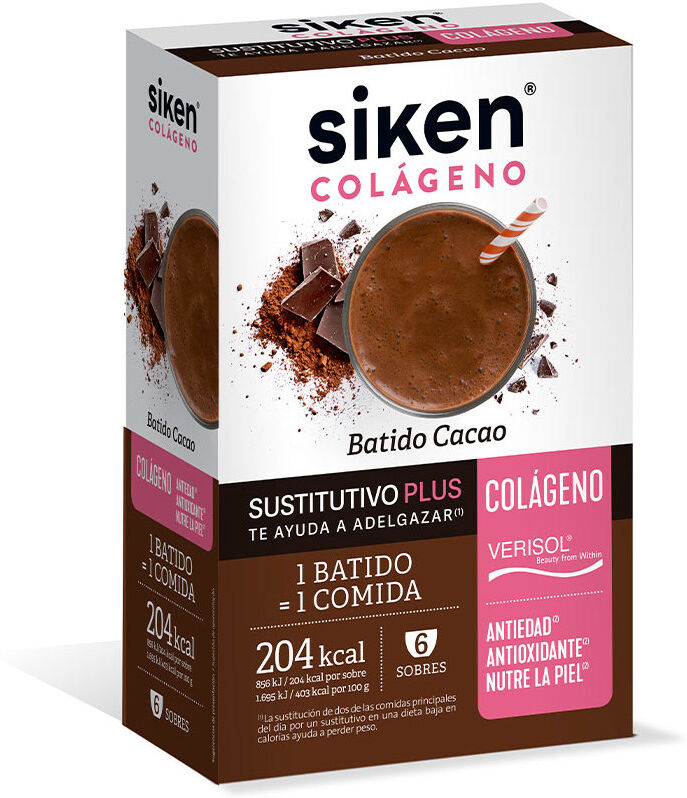
Siken Collagen Substitute Shake 6 Sachets CocoaNutrition and Supplements Special supplements Siken Collagen Substitute Shake 6 Sachets Cocoa Cocoa and Vanilla Shake is an ideal meal replacement for weight control. Its delicious flavor, along with its 13 vitamins, 15 minerals, and collagen content, make it a delicious way to take care of yourself inside and out. Available in Cocoa and Vanilla flavor.19,19 £*Shipping: 3,99 £Secure redirect to the provider
-
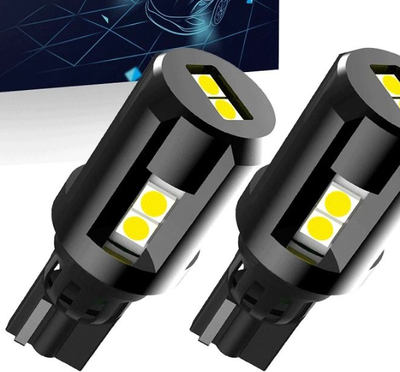
All Categories Goods LED Reverse Backup Bulb High Lumen, White For Backup Light LED Reverse Backup Bulb High Lumen, White For Backup LightEnhance Your Driving Safety with LED Reverse Backup Light Bulbs When it comes to safety and visibility while driving, especially when reversing, you dont want to take any chances. Our 2 pcs LED Reverse Backup Light Bulb provides the perfect solution...47,97 $*Shipping: 0,00 $Secure redirect to the provider
-
Ashampoo Backup Pro 16Ashampoo Backup Pro 16 eliminates viruses, ransomware and hardware errors! Simple and effective solution for an easy-to-use, well-designed and powerful backup.Back up entire partitions of local disks or online archiving providers, this little software from Ashampoo won't get in the way of your work and performs all the relevant operations in the background, you can of course restore memory backups and an operating system recovery tool in case of critical errors. Backup Pro 16's main support: Protection from malware infections Support on hard drive failures Restore accidentally deleted files Troubleshooting operating system problems Update management and removal of annoying updates Managing Windows 11 has never been easier with Backup Pro 16!Backup Pro 16 is optimised for all major cloud services, using all the latest standards for security and speed. What can I do with Backup Pro 16? - Suitable and optimised for Windows 11 - Pre-set convenience for backup plans - Fast and secure cloud connections - Performance and security improvements16,90 £*Shipping: 0,00 £Secure redirect to the provider


-
What is the difference between compulsive tidying and compulsive thinking?
Compulsive tidying is a behavior characterized by an overwhelming urge to constantly clean and organize one's surroundings, often to the point of excess. On the other hand, compulsive thinking involves persistent, intrusive thoughts that are difficult to control and can lead to anxiety or distress. While compulsive tidying is focused on physical actions and organization, compulsive thinking is centered around mental processes and can be more challenging to manage. Both can be symptoms of underlying mental health conditions, such as obsessive-compulsive disorder, but they manifest in different ways. **
-
What is compulsive behavior?
Compulsive behavior refers to repetitive actions or rituals that a person feels driven to perform, often in response to an obsessive thought or to alleviate anxiety. These behaviors can interfere with daily life and may be difficult to control, despite the negative consequences they may bring. Compulsive behaviors are often associated with conditions such as obsessive-compulsive disorder (OCD) or addiction. Treatment for compulsive behavior typically involves therapy, medication, and lifestyle changes. **
-
What are compulsive impulses?
Compulsive impulses are strong, uncontrollable urges to engage in certain behaviors, often despite negative consequences. These impulses can be driven by a variety of factors, including anxiety, stress, or a desire for relief or pleasure. People with compulsive impulses may feel a sense of urgency or a lack of control over their actions, and may engage in repetitive behaviors in an attempt to alleviate their distress. Compulsive impulses can be a symptom of various mental health conditions, such as obsessive-compulsive disorder or impulse control disorders. **
-
How can the compulsive urge to laugh about the compulsive thoughts be explained?
The compulsive urge to laugh about compulsive thoughts can be explained as a coping mechanism or defense mechanism. When faced with distressing or intrusive thoughts, some individuals may feel the need to laugh as a way to release tension or to try to minimize the seriousness of the thoughts. This can also be a way to try to distance oneself from the thoughts and to avoid feeling overwhelmed by them. Additionally, laughing about the thoughts may be a way for some individuals to seek reassurance or validation from others, as they may hope that by laughing, others will also find the thoughts less serious or distressing. **


What are compulsive self-talks?
Compulsive self-talks are repetitive, negative thoughts or phrases that individuals constantly repeat to themselves. These thoughts are often irrational, self-critical, or destructive in nature, and can lead to feelings of anxiety, depression, or low self-esteem. Compulsive self-talks can be difficult to control and can significantly impact a person's mental well-being and overall quality of life. Therapy, mindfulness techniques, and cognitive-behavioral strategies can be helpful in managing and reducing compulsive self-talks. **
Is this a compulsive behavior?
Yes, the behavior described in the previous message could be considered compulsive. Compulsive behaviors are repetitive actions that a person feels driven to perform, often in response to an obsessive thought or to alleviate anxiety. In this case, the individual is engaging in a behavior (checking the door multiple times) in response to a fear (that the door is not locked), which is a common characteristic of compulsive behavior. If this behavior is interfering with the person's daily life or causing distress, it may be worth seeking help from a mental health professional. **
Top-Angebote
Products related to Compulsive:
-
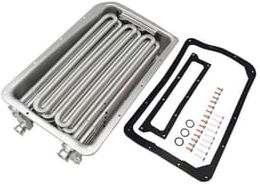
Rinnai N Series Replacement Secondary Heat ExchangerRinnai N Series Replacement Secondary Heat Exchanger. Specially designed for the Rinnai N Series model, this replacement part ensures your water heating system operates at its best. Benefits of Regular Maintenance: Enhanced Efficiency: Regular servicing can ensure that your water heater operates at peak efficiency, reducing energy bills. Longer Lifespan: Preventing buildup and replacing worn-out parts can significantly extend the life of your water heater. Safety: Ensuring that your appliance is in top condition minimizes the risk of leaks or malfunctions. Installation & Safety: Always ensure that installation and servicing are carried out by a qualified technician familiar with Rinnai products. Turn off the gas supply and disconne493,20 £*Shipping: 0,00 £Secure redirect to the provider
-
Siken Collagen Substitute Shake 6 Sachets VanillaNutrition and Supplements Special supplements Siken Collagen Substitute Shake 6 Sachets Vanilla Cocoa and Vanilla Shake is an ideal meal replacement for weight control. Its delicious flavor, along with its 13 vitamins, 15 minerals, and collagen content, make it a delicious way to take care of yourself inside and out. Available in Cocoa and Vanilla flavor.19,25 £*Shipping: 3,99 £Secure redirect to the provider
-
Siken Collagen Substitute Shake 6 Sachets CocoaNutrition and Supplements Special supplements Siken Collagen Substitute Shake 6 Sachets Cocoa Cocoa and Vanilla Shake is an ideal meal replacement for weight control. Its delicious flavor, along with its 13 vitamins, 15 minerals, and collagen content, make it a delicious way to take care of yourself inside and out. Available in Cocoa and Vanilla flavor.19,19 £*Shipping: 3,99 £Secure redirect to the provider
-
All Categories Goods LED Reverse Backup Bulb High Lumen, White For Backup Light LED Reverse Backup Bulb High Lumen, White For Backup LightEnhance Your Driving Safety with LED Reverse Backup Light Bulbs When it comes to safety and visibility while driving, especially when reversing, you dont want to take any chances. Our 2 pcs LED Reverse Backup Light Bulb provides the perfect solution...47,97 $*Shipping: 0,00 $Secure redirect to the provider
-
What is a substitute action in compulsive laughter?
A substitute action in compulsive laughter is a behavior that is used to mask or distract from the underlying emotions or thoughts that are causing the laughter. This could include behaviors such as nervous fidgeting, avoiding eye contact, or making self-deprecating jokes. These substitute actions serve as a way to cope with the discomfort or distress that may be driving the compulsive laughter, but they do not address the root cause of the behavior. It is important for individuals experiencing compulsive laughter to seek professional help in order to address the underlying issues and develop healthier coping mechanisms. **
-
What are compulsive disorders, obsessive thoughts, and compulsive actions?
Compulsive disorders are mental health conditions characterized by the presence of obsessive thoughts and compulsive actions. Obsessive thoughts are persistent, intrusive, and unwanted thoughts that cause distress or anxiety. Compulsive actions are repetitive behaviors or rituals that a person feels driven to perform in response to their obsessive thoughts, in order to alleviate the anxiety or distress. These disorders can significantly interfere with daily functioning and can be difficult to control without professional help. **
-
What is the difference between compulsive tidying and compulsive thinking?
Compulsive tidying is a behavior characterized by an overwhelming urge to constantly clean and organize one's surroundings, often to the point of excess. On the other hand, compulsive thinking involves persistent, intrusive thoughts that are difficult to control and can lead to anxiety or distress. While compulsive tidying is focused on physical actions and organization, compulsive thinking is centered around mental processes and can be more challenging to manage. Both can be symptoms of underlying mental health conditions, such as obsessive-compulsive disorder, but they manifest in different ways. **
-
What is compulsive behavior?
Compulsive behavior refers to repetitive actions or rituals that a person feels driven to perform, often in response to an obsessive thought or to alleviate anxiety. These behaviors can interfere with daily life and may be difficult to control, despite the negative consequences they may bring. Compulsive behaviors are often associated with conditions such as obsessive-compulsive disorder (OCD) or addiction. Treatment for compulsive behavior typically involves therapy, medication, and lifestyle changes. **
Similar search terms for Compulsive
-
Ashampoo Backup Pro 16Ashampoo Backup Pro 16 eliminates viruses, ransomware and hardware errors! Simple and effective solution for an easy-to-use, well-designed and powerful backup.Back up entire partitions of local disks or online archiving providers, this little software from Ashampoo won't get in the way of your work and performs all the relevant operations in the background, you can of course restore memory backups and an operating system recovery tool in case of critical errors. Backup Pro 16's main support: Protection from malware infections Support on hard drive failures Restore accidentally deleted files Troubleshooting operating system problems Update management and removal of annoying updates Managing Windows 11 has never been easier with Backup Pro 16!Backup Pro 16 is optimised for all major cloud services, using all the latest standards for security and speed. What can I do with Backup Pro 16? - Suitable and optimised for Windows 11 - Pre-set convenience for backup plans - Fast and secure cloud connections - Performance and security improvements16,90 £*Shipping: 0,00 £Secure redirect to the provider
-
Ashampoo Backup Pro 17 KeyAshampoo Backup Pro 17 Key Real-Time Backup & Windows 11 Rescue System Release Date Release Date: November 2022 (Latest major version, fully optimized for current Windows) License Type: Lifetime / Perpetual License Platform: Windows 11, Windows 10 (x64) Download: Ashampoo Backup Pro 17 Ashampoo Backup Pro 17: Eliminating the Fear of Data Loss Ashampoo Backup Pro 17 is the comprehensive data security solution developed by Ashampoo to protect PC users from the biggest digital threats: ransomware, malware, hardware failure, and critical system crashes. This software is designed to be robust and reliable yet intuitive, performing all vital backup and restoration tasks automatically in the background without straining system resources. The Problem It Solves The core purpose of Ashampoo Backup Pro 17 is to provide a complete safety net for your digital life. It removes the stress of facing a corrupted operating system or a ransomware infection where the only solution is a full, time-consuming reinstall of Windows. By creating clean, accessible backups of your entire system, files, or partitions, it guarantees quick restoration and the ability to return your PC to its normal working state. Key Features Defining Reliable Data Security Real-Time Backups with File Tracking: This defining feature continuously monitors your most crucial folders for any file changes. Backups are updated instantly and automatically, ensuring that even in the event of a sudden crash or freeze-up, the latest versions of your files are always protected. State-of-the-Art Rescue System: The program includes a powerful, bootable rescue system based on the latest Windows technology. If your hard disk fails or malware corrupts your operating system, you can boot your PC from a DVD or USB stick to restore your entire system to a working state, bypassing the need for a full Windows reinstall. This rescue system is itself based on the latest Windows versions. Full BitLocker Support: Unlike many competitor programs, Ashampoo Backup Pro 17 can recognize, unlock, and seamlessly access drives encrypted with BitLocker . This ensures that highly secured partitions can be included in your backup plans and restored via the rescue system. Versatile Storage Options: Supports all standard storage methods, including local/network hard drives, external drives, and extensive cloud support for providers like Dropbox, Google Drive, and OneDrive , utilizing the latest secure data transfer methods. Windows 11 and 10 Ready: Fully optimized for current Windows operating systems, ensuring compatibility and stability for all users running modern Windows versions. Simplified Backup Management: The user interface offers one-click access to all important areas, including pre-set backup plans for documents, browser data, and email, allowing users from beginners to specialists to quickly set up and monitor their data protection strategies. Ashampoo Backup Pro 17 PC FAQ Q: What is the main difference between thi…0,06 £*Shipping: 0,00 £Secure redirect to the provider
-
What are compulsive impulses?
Compulsive impulses are strong, uncontrollable urges to engage in certain behaviors, often despite negative consequences. These impulses can be driven by a variety of factors, including anxiety, stress, or a desire for relief or pleasure. People with compulsive impulses may feel a sense of urgency or a lack of control over their actions, and may engage in repetitive behaviors in an attempt to alleviate their distress. Compulsive impulses can be a symptom of various mental health conditions, such as obsessive-compulsive disorder or impulse control disorders. **
-
How can the compulsive urge to laugh about the compulsive thoughts be explained?
The compulsive urge to laugh about compulsive thoughts can be explained as a coping mechanism or defense mechanism. When faced with distressing or intrusive thoughts, some individuals may feel the need to laugh as a way to release tension or to try to minimize the seriousness of the thoughts. This can also be a way to try to distance oneself from the thoughts and to avoid feeling overwhelmed by them. Additionally, laughing about the thoughts may be a way for some individuals to seek reassurance or validation from others, as they may hope that by laughing, others will also find the thoughts less serious or distressing. **
-
What are compulsive self-talks?
Compulsive self-talks are repetitive, negative thoughts or phrases that individuals constantly repeat to themselves. These thoughts are often irrational, self-critical, or destructive in nature, and can lead to feelings of anxiety, depression, or low self-esteem. Compulsive self-talks can be difficult to control and can significantly impact a person's mental well-being and overall quality of life. Therapy, mindfulness techniques, and cognitive-behavioral strategies can be helpful in managing and reducing compulsive self-talks. **
-
Is this a compulsive behavior?
Yes, the behavior described in the previous message could be considered compulsive. Compulsive behaviors are repetitive actions that a person feels driven to perform, often in response to an obsessive thought or to alleviate anxiety. In this case, the individual is engaging in a behavior (checking the door multiple times) in response to a fear (that the door is not locked), which is a common characteristic of compulsive behavior. If this behavior is interfering with the person's daily life or causing distress, it may be worth seeking help from a mental health professional. **
* All prices are inclusive of VAT and, if applicable, plus shipping costs. The offer information is based on the details provided by the respective shop and is updated through automated processes. Real-time updates do not occur, so deviations can occur in individual cases. ** Note: Parts of this content were created by AI.